Informatique graphique
UFAR Licence INFO
Informatique Graphique
David Vanderhaeghe



L'Informatique Graphique
... mathématiques - physique - informatique - biologie - chimie ...
... réseau – informatique graphique – logique ...
... simulation – synthèse d'images – modélisation géométrique - animation
...
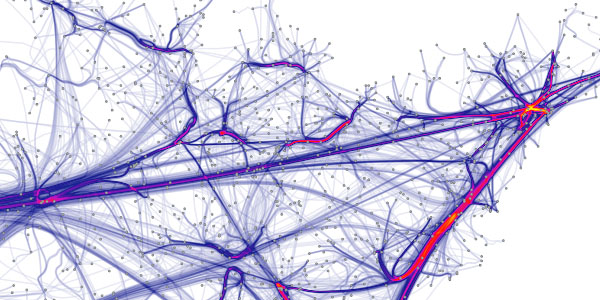
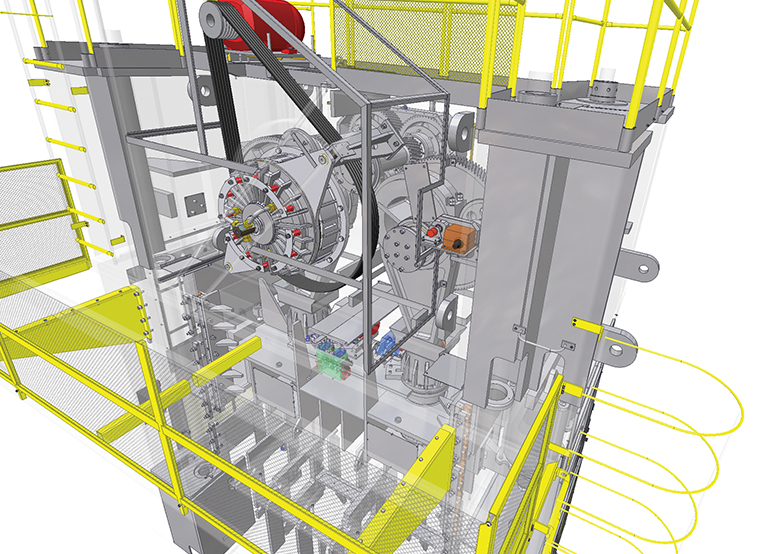
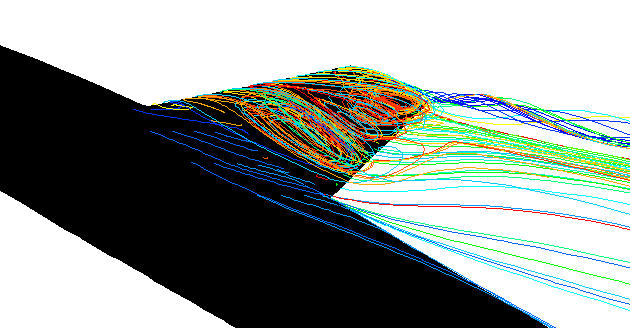
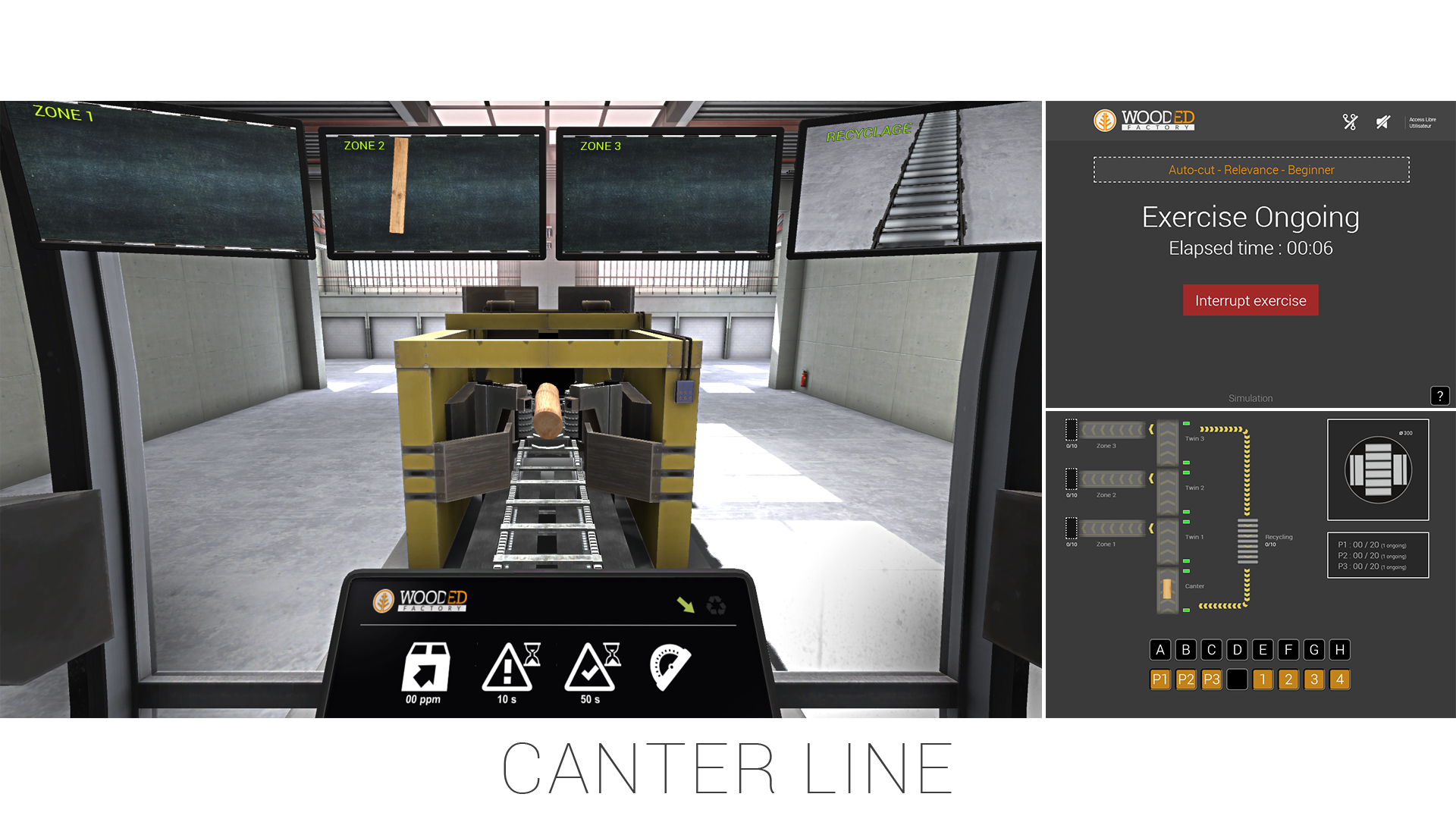
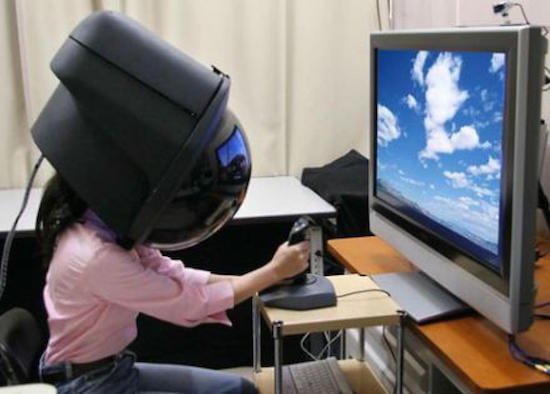
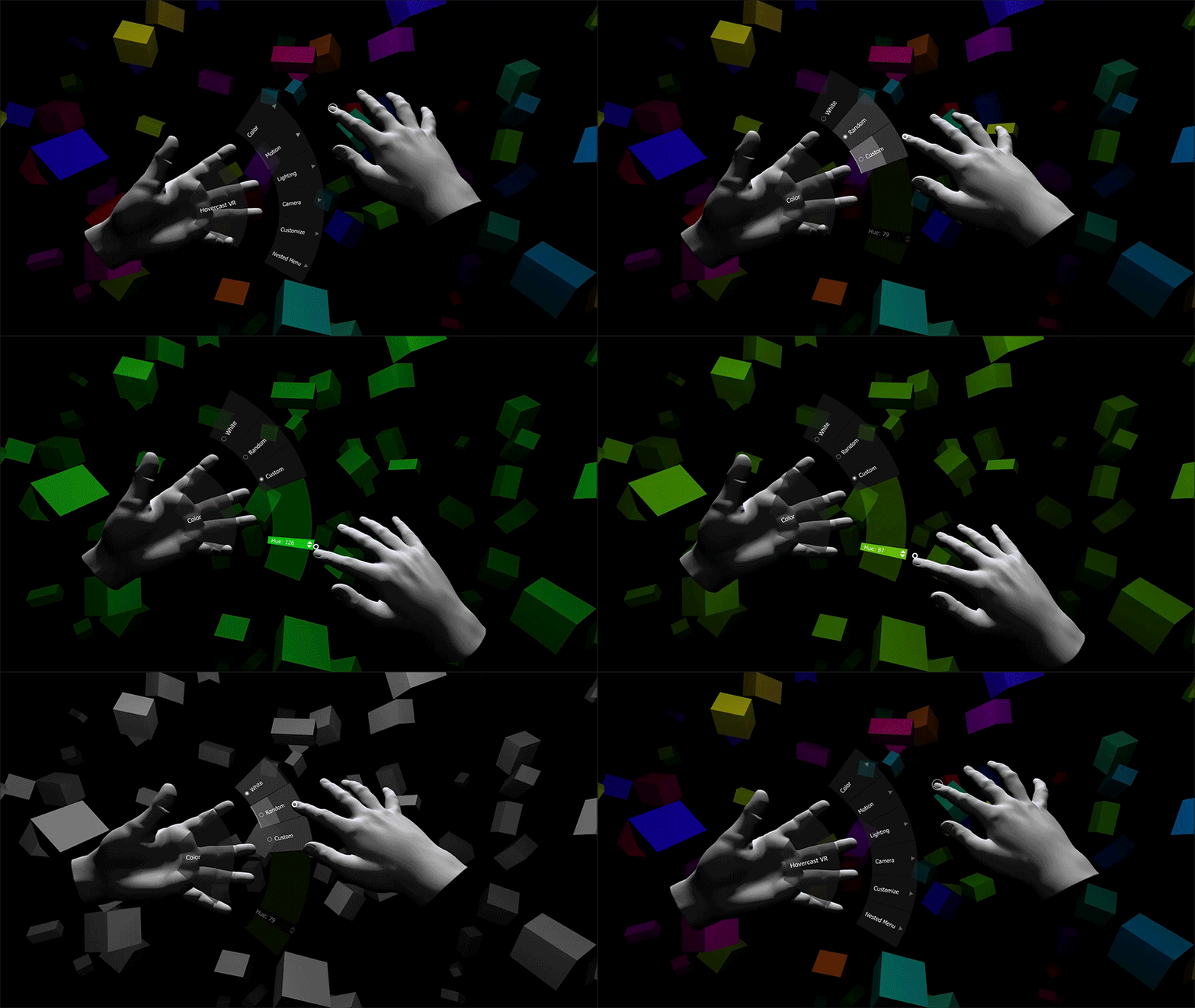
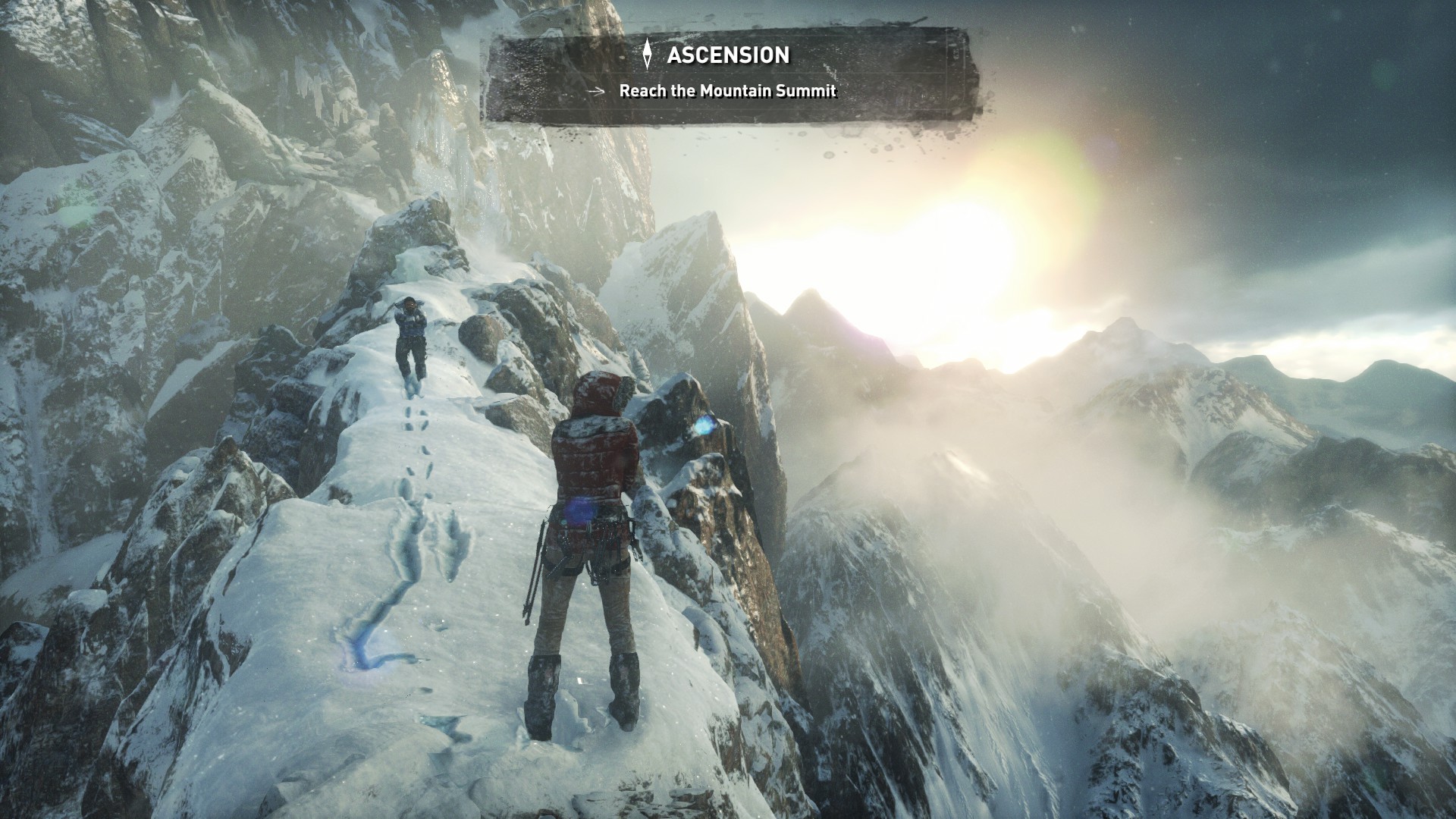
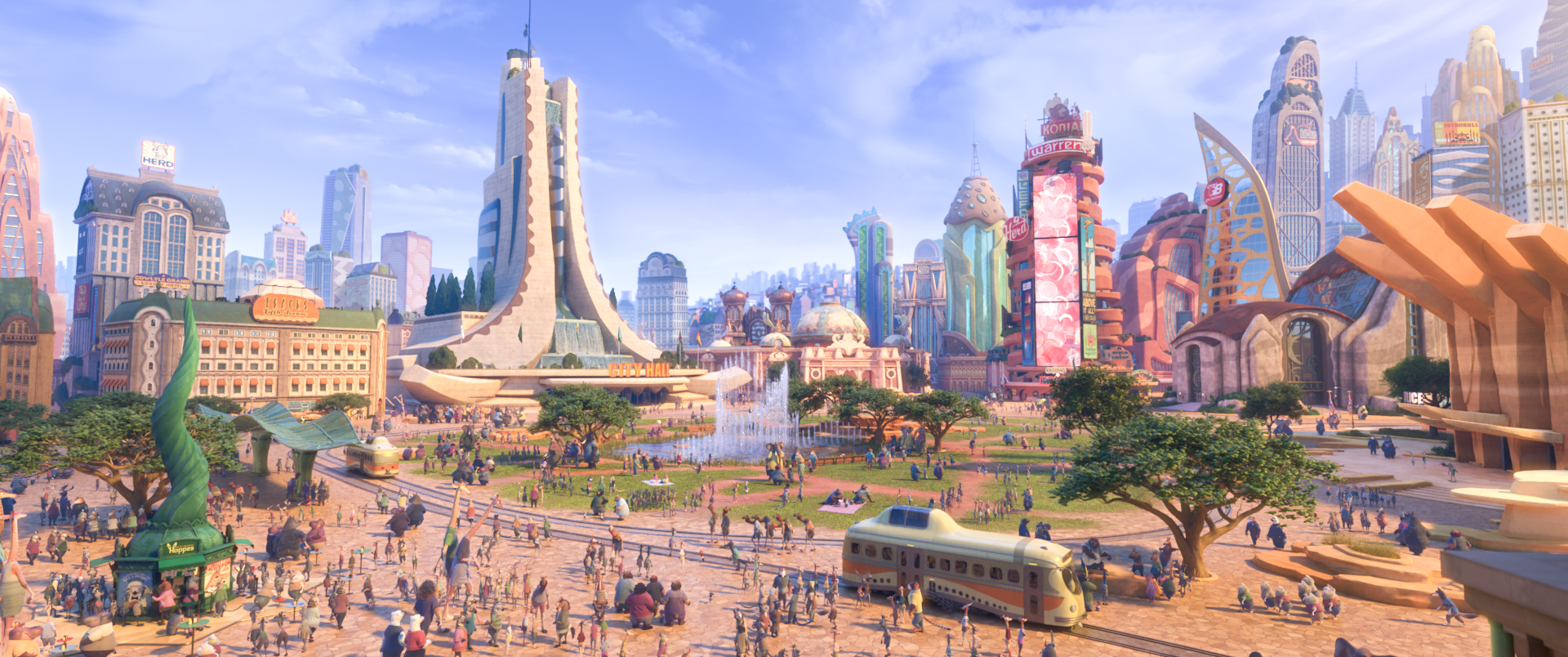
Étapes de la création d'un film d'animation
Sources des images numériques
Concepts fondamentaux
Image et animation
Concepts fondamentaux
Espace de couleur, perception de la couleur
Concepts fondamentaux
Introduction aux formats de données standard, avec ou sans pertes
Concepts fondamentaux
Transformation affine et changement de base
Synthèse d'images simples
Base physique de la synthèse d'images
L'équation du rendu
\[\begin{aligned} L_i(p, \omega_i)& = L_o(vis(p, \omega_i),
-\omega_i)\\ L_o(x, \omega_o) & = E(x, \omega_o) + \int_{\Omega}
L_i(x, \omega_i) \rho(x, \omega_o, \omega_i)
\overline\cos\theta_i\partial \omega_i \end{aligned} \] ou
\[\overline\cos\theta = max(\cos\theta, 0) \] $\theta$ l'angle entre
$\omega_i$ et $n$.